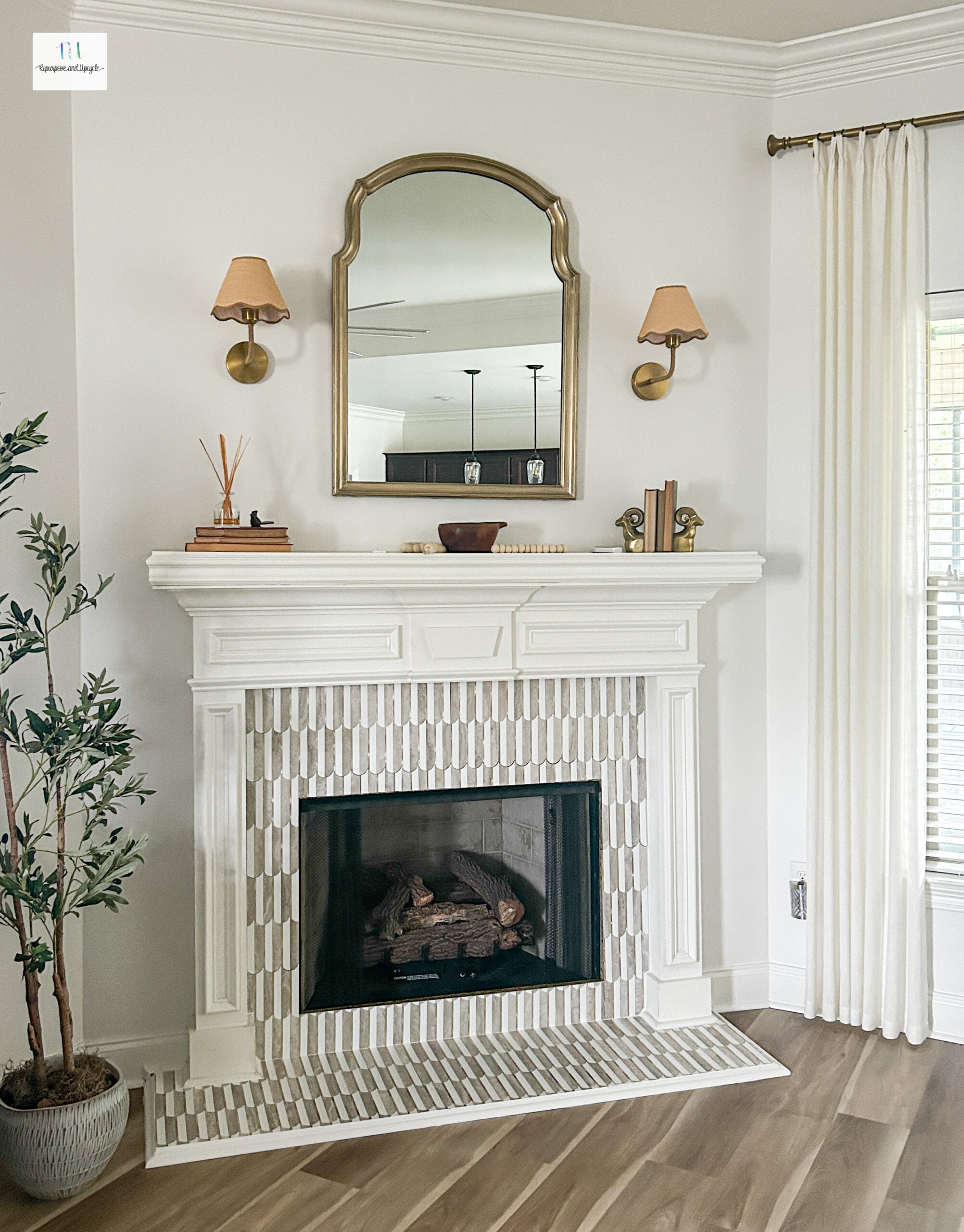
Did y’all see the reveal of my DIY tone on tone feature wall with built ins? To say I’m excited that this DIY is over is an understatement. I was racing to complete it before the kiddos got out of school for the summer. Now that the wall is complete, I thought it might be helpful to share a few tips on how I decorated my living room shelves.

It’s easy to look through Pinterest and say, “wow that looks great, I can do that!” But then when it comes to actually re creating the idea you saw, it’s always a little more difficult than you expected.
Tips about styling shelves
When styling shelves, balance is key. Mixing different types of objects—like books, decorative pieces, and personal items—creates visual interest. Group items in odd numbers and vary heights to avoid a flat look.
Use layers by placing smaller items in front of larger ones. Incorporate a few personal touches, such as framed photos or meaningful souvenirs, to make the space feel inviting.
Avoid overcrowding; leaving some empty space helps each item stand out. Finally, consider the shelf’s purpose and location to choose pieces that fit both style and function. Experiment until the arrangement feels right.
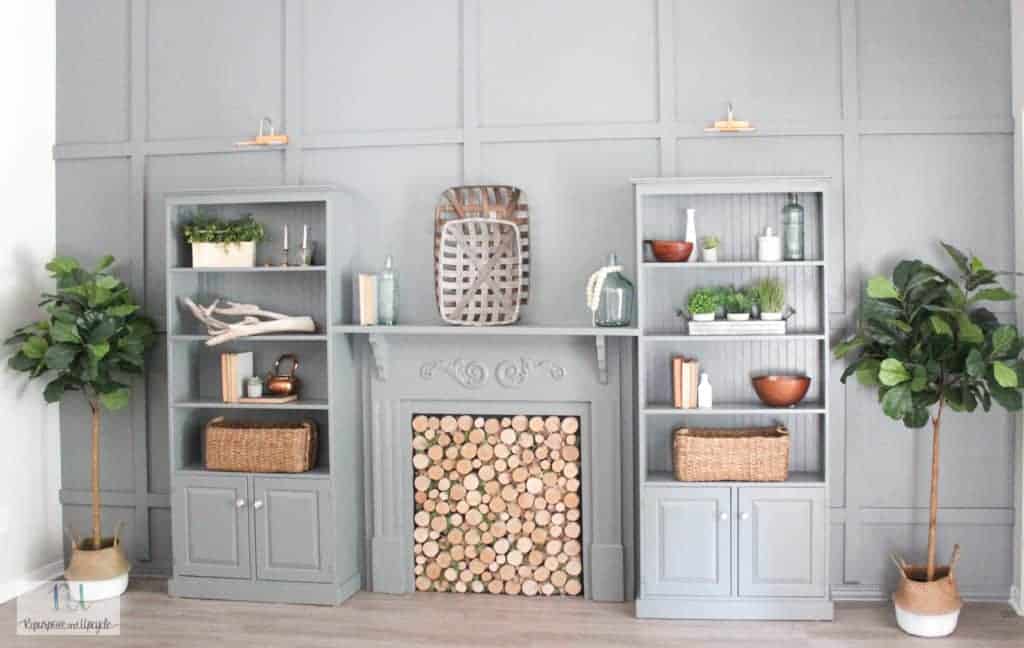
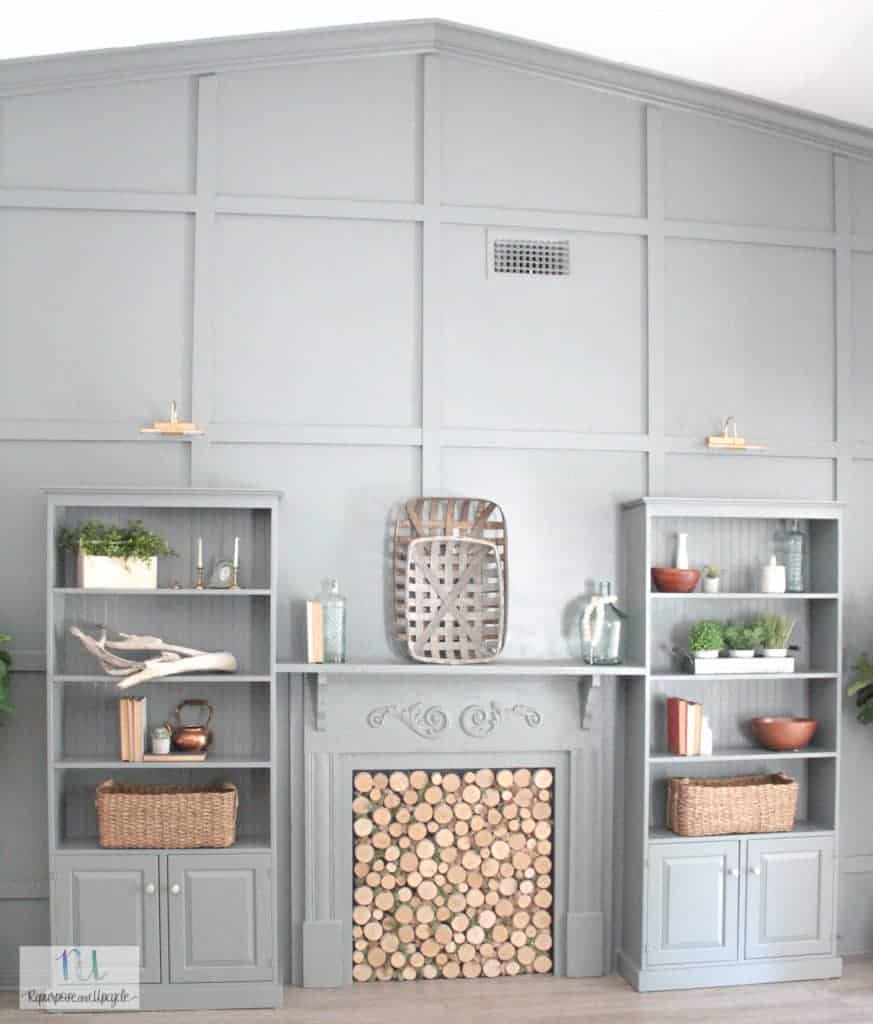
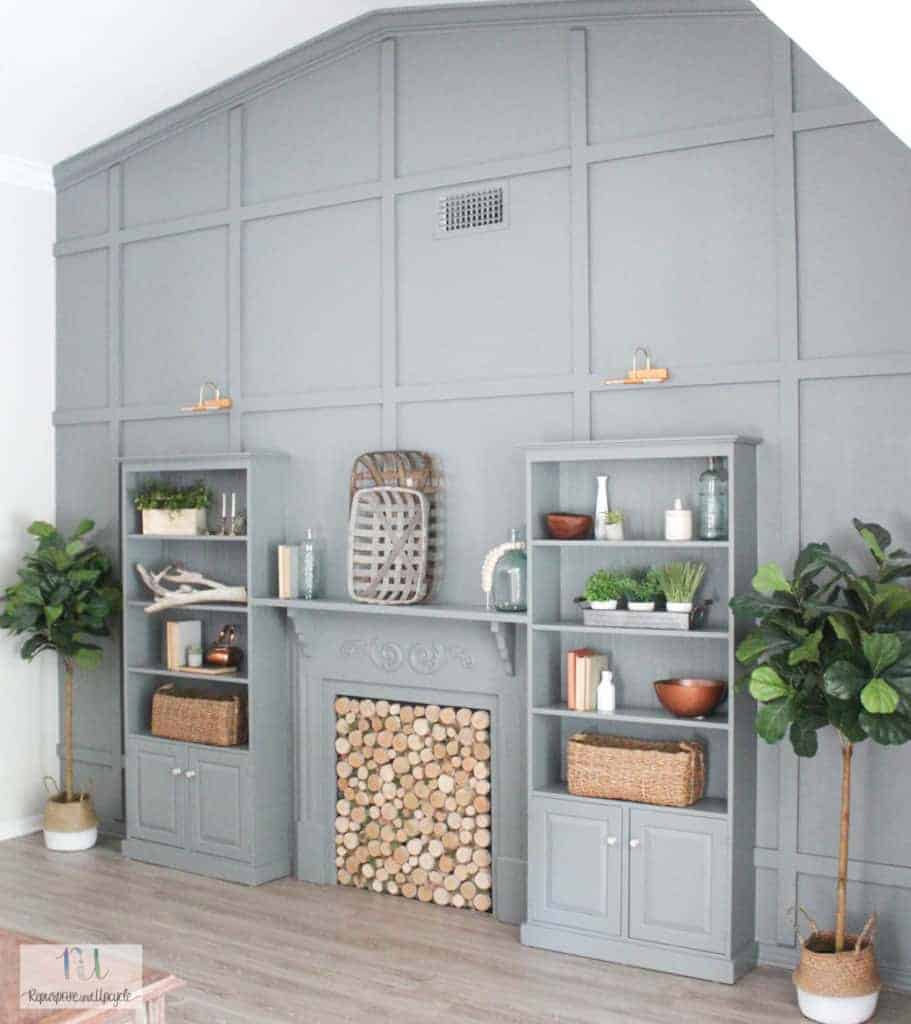
Before we begin, let me share my DIY feature wall again.
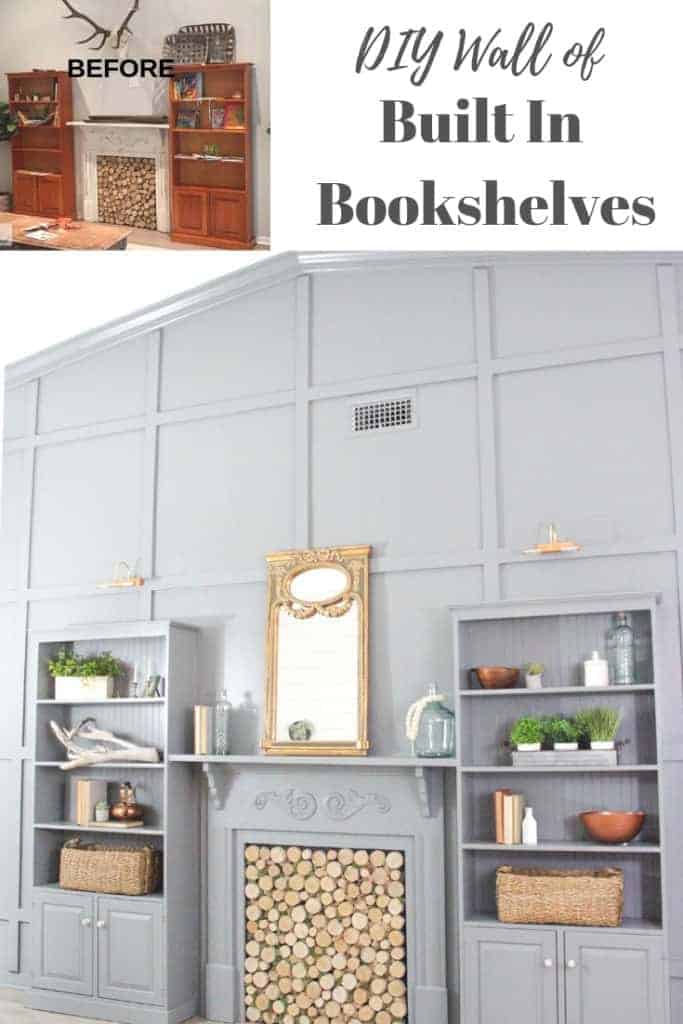
Easy Tips for Styling Shelves Without Stress
Choosing a simple color palette of three to four colors or materials helps create a consistent look. Sticking to this scheme makes styling easier and more visually pleasing. For example, natural tones like woven baskets combined with white, blue, and green accents bring a fresh yet cozy vibe.
Combining old and new items adds texture and interest. Mixing a vintage piece with a modern item creates balance and character, making the shelves feel well-curated rather than cluttered. Adding a touch of greenery with plants is an easy way to bring warmth and life to any shelf display.
Placing objects of different heights side by side prevents the shelf from looking flat or monotonous. Large items paired with smaller ones create visual contrast, keeping the arrangement dynamic. Balancing these groupings by placing tall and short objects next to each other enhances harmony.
When grouping smaller items, arranging them in sets of three often looks most natural. This odd-number grouping gives rhythm but does not overwhelm the eye. It’s important to avoid making everything too uniform—too many matching pieces can appear dull and monotonous.
Some basic guidelines to remember:
| Tip | Description |
|---|---|
| Choose a 3-4 color/material scheme | Maintain cohesive and simple color balance |
| Mix vintage with modern | Add texture and interest with varied items |
| Include greenery | Use plants to add warmth and life |
| Vary item heights | Place tall and short objects together |
| Group in threes | Use odd number groupings for natural appeal |
| Avoid matching too closely | Balance uniformity with variety |
Following these easy rules helps create shelves that feel inviting and well-styled without spending too much time or effort.
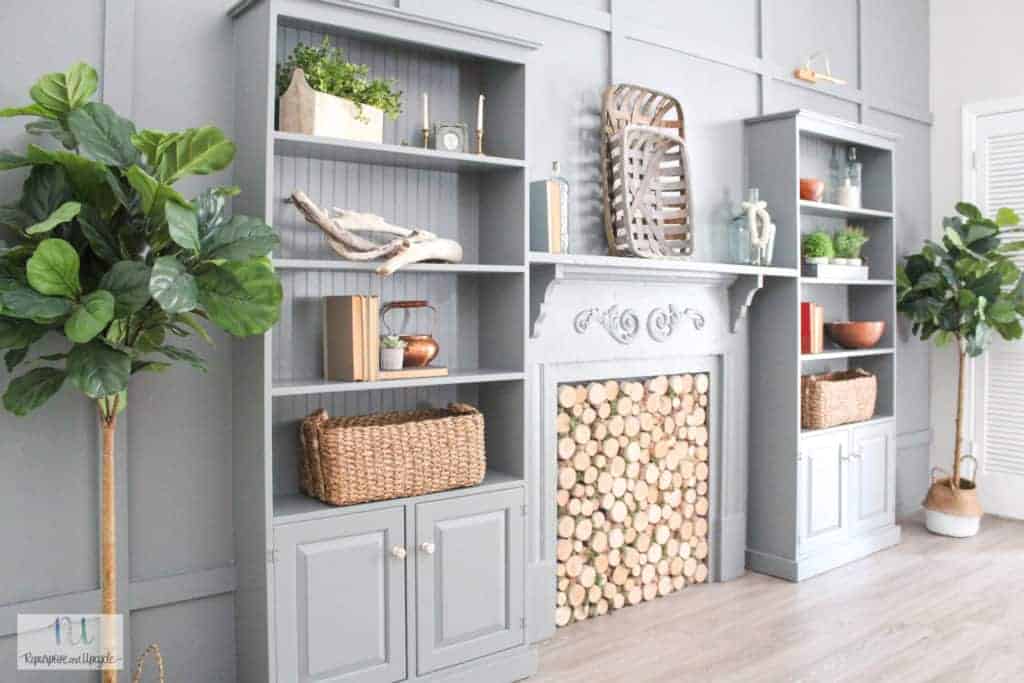
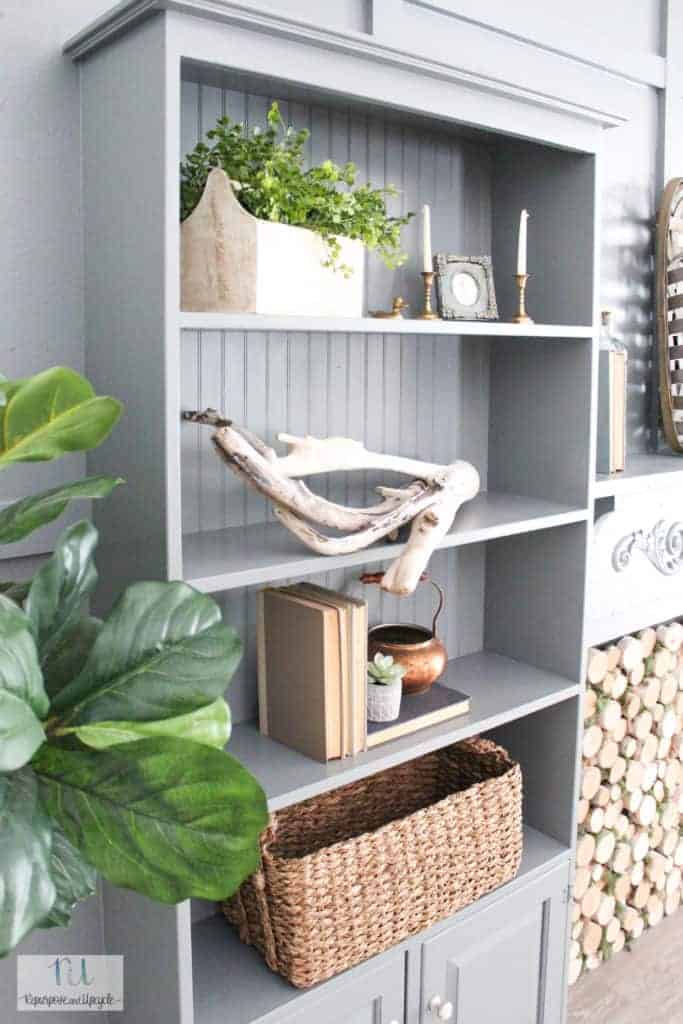
Let me show you some specifics about my shelves.
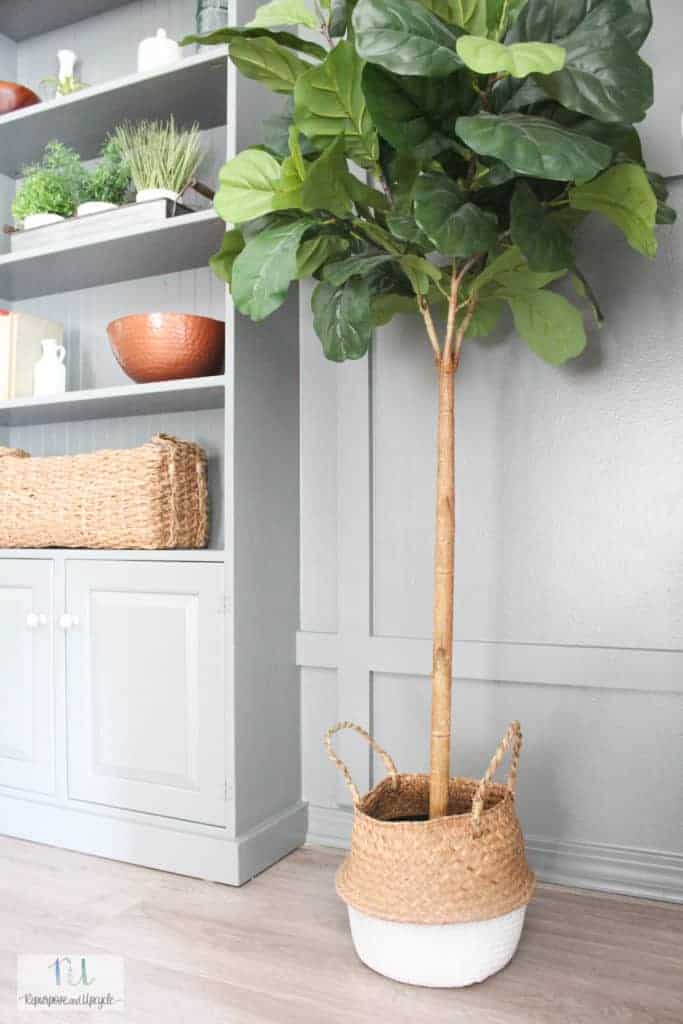
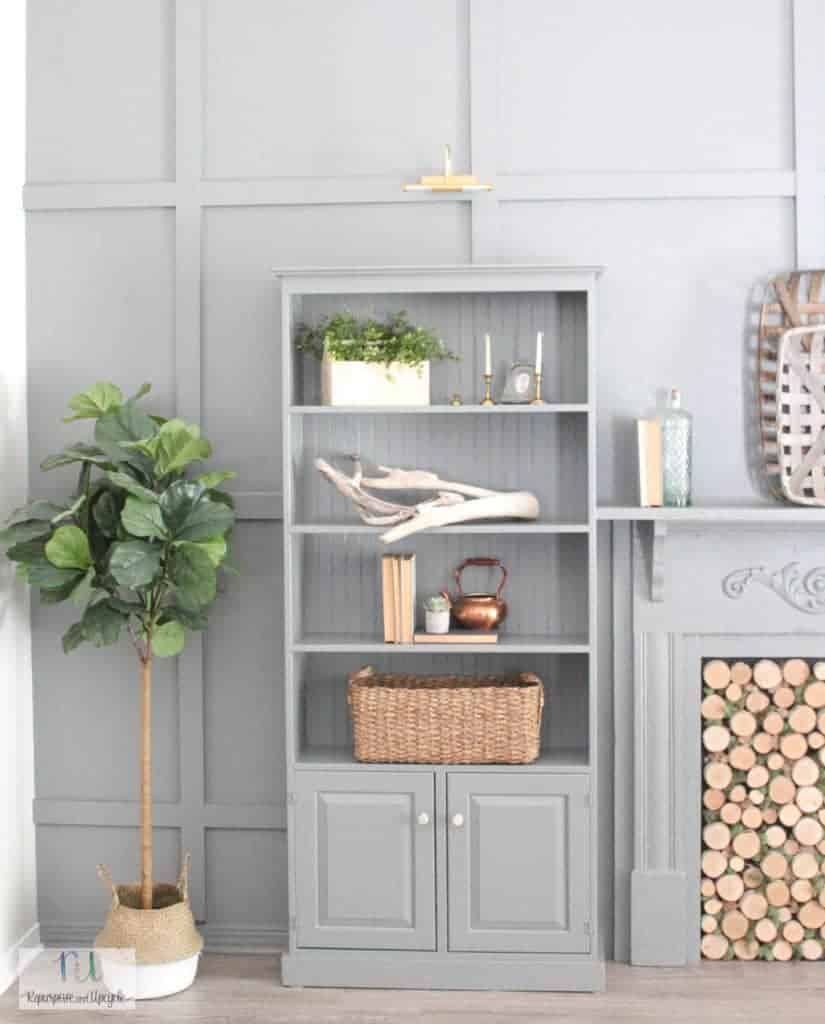
I love how this woven basket for my fiddle leaf goes with the braided storage basket on the bottom shelf.
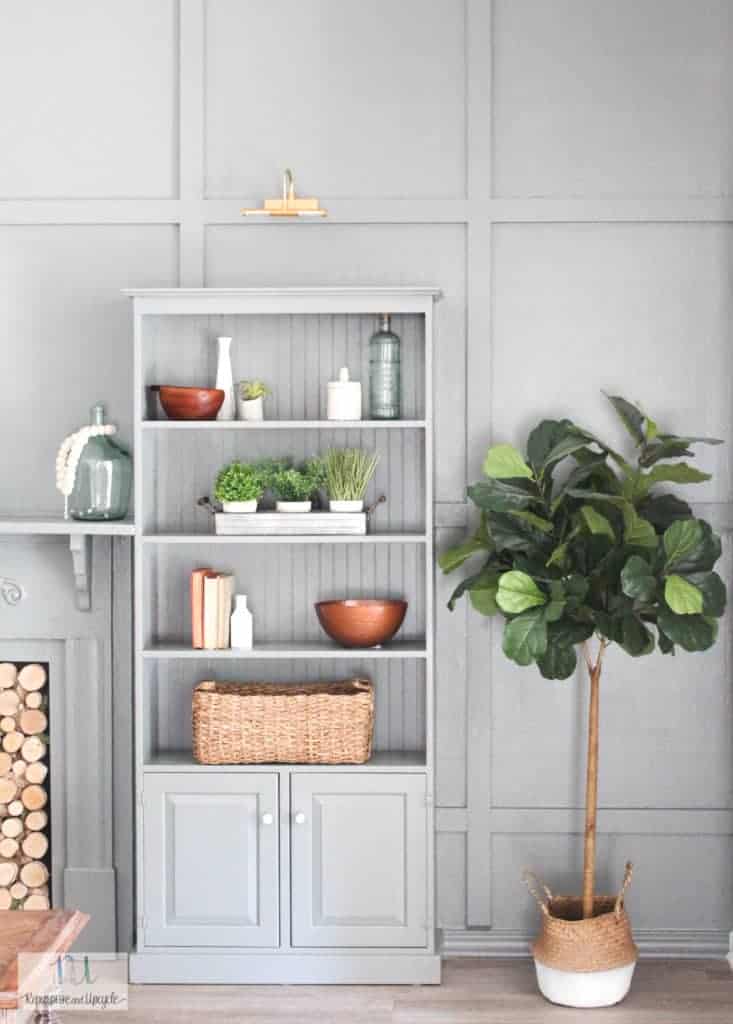
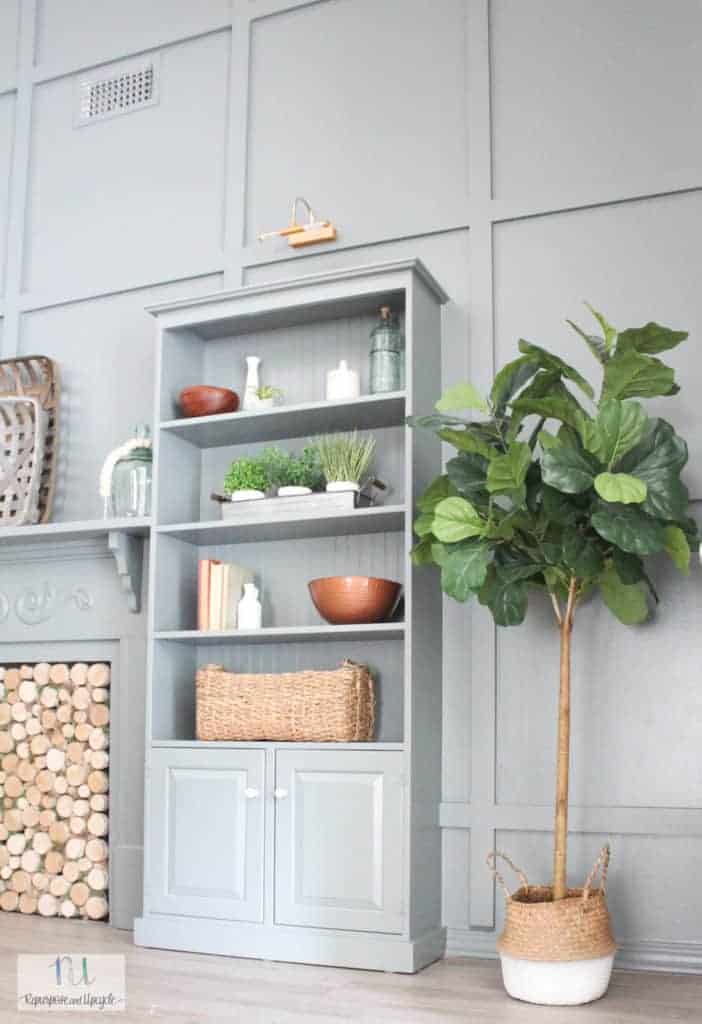
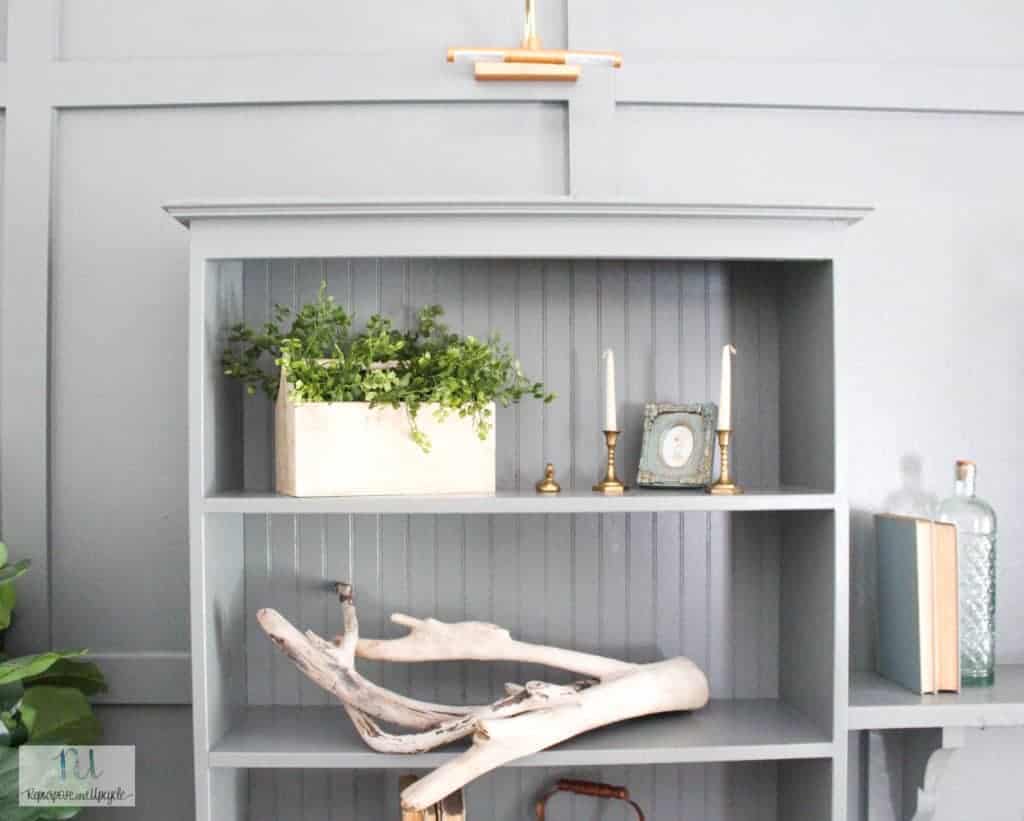
I love those LED library lights! They are the perfect gold/copper color to match with a few other elements like the small candlesticks.
The best part about them; I didn’t have to wire anything. They are battery powered! Also, they are around $30 each, score!
You know I love to share about DIY open shelving. I figured after countless posts about how to DIY a few shelves, I would share how to decorate them too. I hope this helps.
Thanks for stopping in!
Lindsey**